 |
 |
 |
 |
 |
|
 |
|
 |
|
 |
|
 |
|
 |
|
|
|
 |
|
|
|
 |
|
|
|
 |
 |
Exploring Affordable Pet Insurance Plans: A Comprehensive GuideIn today's world, pets are not merely animals; they are beloved members of our families, deserving of the best care possible. However, with veterinary costs rising steadily, pet insurance has become a viable option to ensure that our furry friends receive the necessary medical attention without breaking the bank. Here, we delve into the intricacies of affordable pet insurance plans, unraveling how they work and what you should consider when selecting a plan that suits your needs. Pet insurance, much like human health insurance, provides coverage for veterinary expenses, yet it operates on a reimbursement model, where pet owners initially pay the vet bill and later receive compensation from the insurance company. Understanding the nuances of this system is crucial, particularly when opting for a budget-friendly plan. One key consideration is the coverage options available. Typically, insurance plans offer varying degrees of coverage, from accident-only plans to comprehensive policies covering accidents, illnesses, and preventive care. Accident-only plans, as the name suggests, cover incidents like fractures or ingestion of foreign objects, offering a cost-effective solution for pet owners who wish to safeguard against unforeseen events. On the other hand, comprehensive plans, while pricier, encompass a broader range of conditions, including chronic illnesses and even routine check-ups, providing peace of mind to those who seek holistic coverage. When exploring affordable options, it's essential to scrutinize the deductibles, premiums, and reimbursement rates. Deductibles, the amount you pay out of pocket before insurance kicks in, vary significantly across plans. Opting for a higher deductible can lower your monthly premium, which might be beneficial if your pet is generally healthy. Conversely, if you anticipate frequent vet visits, a lower deductible might be more economical in the long run. Furthermore, reimbursement rates, often ranging from 70% to 90%, determine the portion of the vet bill you'll get back. Selecting a plan with a higher reimbursement rate might cost more upfront but can save substantial amounts in the event of major health issues.
Moreover, technological advancements have facilitated the emergence of digital platforms, enabling pet owners to easily compare different insurance plans. Websites and apps dedicated to this purpose provide side-by-side comparisons of coverage details, pricing, and customer reviews, empowering you to make informed decisions. In summary, while cheap pet insurance plans can initially seem attractive, it's vital to assess their long-term value and coverage comprehensively. By balancing cost with coverage, understanding plan specifics, and leveraging modern comparison tools, you can find a plan that not only fits your budget but also ensures your pet's health and well-being. After all, our pets rely on us for their care, and investing in a suitable insurance plan is a testament to the love and responsibility we owe them. https://www.usnews.com/insurance/pet-insurance
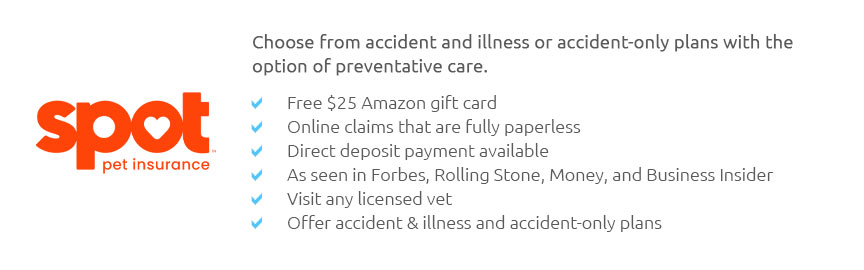
Spot has two levels of optional wellness coverage, Gold and Platinum. It also offers a discount for insuring multiple pets. Customizations: Policyholders can ... https://www.petinsurance.com/
The best pet insurance ever by Nationwide. Plans covering wellness, illness, emergency & more. Use any vet and get cash back on eligible vet bills. https://www.petco.com/shop/en/petcostore/insurance
Two cats on our most popular plan would cost about $42/month. Electing coverage for four or more pets will increase your discount to 10%. Get a quote today.
|
